Understanding the Essence of Ramadan 2026 in the UK
As the blessed month of Ramadan approaches in 2026, Muslims across the United Kingdom prepare to embark on a profound spiritual journey. Ramadan, the ninth month of the Islamic Hijri calendar, is a time of immense spiritual significance, calling believers to deepen their connection with Allah through fasting, prayer, reflection, and acts of charity. For the diverse Muslim communities thriving across the UK, from the bustling streets of London to the quiet villages of Scotland, Ramadan 2026 presents a unique opportunity to rejuvenate faith and strengthen communal bonds.
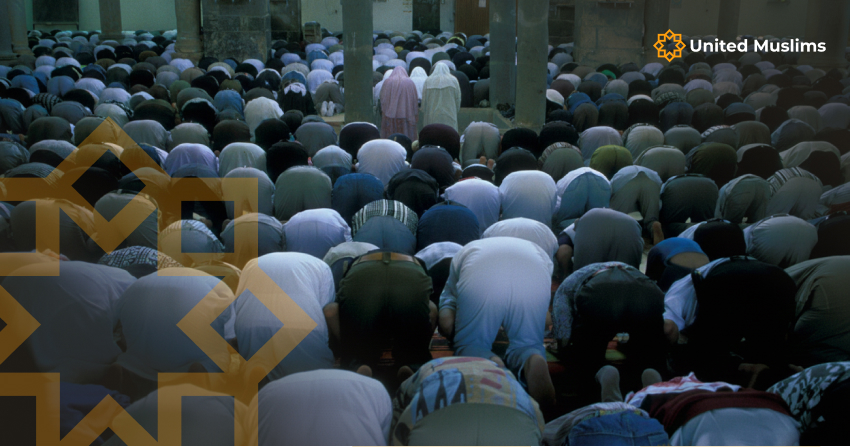
This sacred month encourages rigorous self-discipline, not just from food and drink, but also from negative thoughts and actions. It's a period dedicated to introspection, empathy for the less fortunate, and an increased focus on Quranic recitation and voluntary prayers. The UK's multicultural landscape adds a distinctive layer to this observance, as mosques become hubs of activity, community centres host Iftar gatherings, and the spirit of generosity permeates neighbourhoods. Understanding the core tenets of Ramadan is the first step towards truly mastering this spiritual experience in the unique context of the UK.
Navigating the Ramadan 2026 Calendar: Your Essential Guide
Effective planning is paramount for a fulfilling Ramadan, and the cornerstone of this preparation is an accurate Ramadan calendar. Unlike the fixed Gregorian calendar, the Islamic Hijri calendar is lunar, meaning its months commence with the sighting of the new moon. Each month, including Ramadan, lasts either twenty-nine or thirty days, depending on this moon visibility. Consequently, the Islamic year is approximately eleven days shorter than the solar year, causing Ramadan to shift earlier each year.
For Muslims in the UK, a localised Ramadan calendar for 2026 is an indispensable tool. It provides precise daily schedules, outlining crucial timings such as Sehri (the pre-dawn meal), Fajr prayer (marking the start of the fast), Iftar (the meal breaking the fast at sunset), and Taraweeh prayers (special congregational prayers performed after the Isha prayer). These timings are meticulously calculated based on local moon sighting and prayer methodologies, taking into account regional sunrise and sunset variations across the United Kingdom. To dive deeper into these vital daily timings, you can explore our detailed guide: Ramadan UK 2026: Your Essential Guide to Sehri & Iftar Timings.
The accuracy of these local calendars is crucial, ensuring that every Muslim, whether in Edinburgh, Manchester, or Cardiff, can observe their fasts and prayers with confidence and ease. It allows for seamless integration of spiritual duties with daily responsibilities, from work and school to family commitments.
The Advantage of a Winter Ramadan in the UK
One of the most notable aspects of Ramadan 2026 in the UK is its timing. Due to the lunar calendar's consistent shift, Ramadan is expected to fall during the late winter months. This particular timing offers a significant advantage for fasting individuals: shorter fasting hours compared to Ramadans that occur during the peak summer months.
While summer Ramadans in the UK can present challenges with long daylight hours and often warmer temperatures, a winter Ramadan means shorter days and longer nights. This translates directly into more manageable fasting periods, making it potentially easier to sustain energy levels, minimise dehydration, and balance daily activities with worship. The reduced strain can be particularly beneficial for students, those working demanding jobs, and individuals who might find longer fasts more challenging. For a more comprehensive understanding of this phenomenon, you might be interested in reading Ramadan UK 2026: Why Winter Brings Shorter Fasting Hours.
Embracing this winter timing means UK Muslims can focus more intensely on the spiritual aspects of the month, benefiting from the relative ease of fasting to devote more time to Quranic study, extra prayers, and charitable deeds without the added physical burden of extreme heat or extended periods without sustenance.
Practical Planning for a Fulfilling Ramadan 2026
To truly master Ramadan 2026 in the UK, meticulous planning is key. Beyond simply knowing the Sehri and Iftar times, proactive preparation can transform your experience, making it more spiritual, productive, and enjoyable. Here are some actionable tips:
Before Ramadan Begins: Setting the Foundation
- Mental and Spiritual Preparation: Start by setting clear intentions and spiritual goals. What do you hope to achieve this Ramadan? Perhaps completing a reading of the Quran, dedicating more time to specific prayers, or increasing acts of charity. Gradually adjust your mindset and begin increasing your voluntary prayers or remembrance of Allah (Dhikr) in the weeks leading up to Ramadan.
- Physical Preparation: Ease into fasting by gradually reducing caffeine and sugar intake. Adjust your sleep schedule to wake up earlier, which will make Sehri less of a shock to your system. Ensure your pantry is stocked with healthy, energy-sustaining foods for Sehri and nourishing options for Iftar.
- Organise Your Schedule: Review your work, school, and family commitments. Can any tasks be streamlined or adjusted to accommodate longer prayer times or more rest? Communicate with employers or teachers about your fasting, where appropriate, to foster understanding and flexibility.
- Connect with Your Community: Find out about local mosque schedules for Taraweeh prayers, Quran recitation circles, and community Iftars. This helps in building a supportive environment for your spiritual journey.
During Ramadan: Daily Strategies for Success
- Optimise Sehri and Iftar Meals: For Sehri, focus on complex carbohydrates (oats, wholemeal bread), protein (eggs, dairy), and plenty of water or hydrating fluids. Avoid overly salty or sugary foods that can induce thirst. For Iftar, break your fast gently with dates and water, followed by a balanced meal that includes vegetables, protein, and moderate carbohydrates. Hydration throughout the non-fasting hours is paramount, especially given the UK's often cool, dry winter air.
- Manage Energy Levels: The shorter fasting hours in winter 2026 will naturally help, but still, prioritize rest. Schedule short naps if possible and avoid strenuous activities during the fasting hours. Listen to your body and don't push yourself beyond your limits.
- Maximise Worship and Reflection: Use the dedicated Ramadan calendar to plan your daily prayers. Allocate specific times for Quran recitation, contemplation, and supplication (Du'a). The nights are particularly blessed, so try to make the most of Taraweeh prayers and extra worship after Iftar.
- Embrace Charity and Good Deeds: Ramadan is the month of giving. Seek out local charities, food banks, or initiatives that support the needy in your community. Small acts of kindness, such as helping a neighbour or offering a warm smile, also count immensely.
- Prioritise Sleep: With Sehri and Taraweeh, sleep patterns can be disrupted. Aim for quality sleep in between these times. A consistent sleep schedule can greatly impact your energy and focus during the day.
Embracing the Spirit of Giving and Connection
While personal worship and self-discipline are central to Ramadan, the month also profoundly emphasizes community, empathy, and generosity. In the UK, this spirit often blossoms through various initiatives and interactions:
- Zakat and Sadaqah: Fulfil your obligation of Zakat (obligatory charity) during Ramadan, and increase your Sadaqah (voluntary charity). Many UK-based charities work tirelessly to distribute aid locally and internationally, making it easy to contribute meaningfully. Consider supporting local food banks, homeless shelters, or community kitchens that serve vulnerable populations.
- Fostering Family Bonds: Ramadan is an ideal time to strengthen family ties. Share Sehri and Iftar meals together, involve children in preparations, and educate them about the significance of the month. Creating a spiritual atmosphere at home can be incredibly rewarding.
- Community Iftars and Gatherings: Mosques and Islamic centres across the UK often host communal Iftars, welcoming everyone regardless of background. These gatherings are wonderful opportunities to connect with fellow Muslims, share experiences, and extend hospitality to non-Muslim neighbours and friends, fostering greater understanding and cohesion.
- Volunteering: Dedicate some time to volunteer at your local mosque, a charity event, or an Iftar preparation for the community. Giving your time and effort is a powerful form of worship and strengthens your connection to the wider community.
- Interfaith Dialogue: Use Ramadan as an opportunity for interfaith engagement. Invite non-Muslim colleagues or friends to experience an Iftar, explaining the traditions and values behind the fast. This can help build bridges and dispel misconceptions about Islam.
These acts of giving and connection are not just good deeds; they are integral to the holistic spiritual experience of Ramadan, embodying the Prophet Muhammad's teachings of compassion and brotherhood.
Conclusion
Ramadan 2026 in the UK promises to be a month of immense spiritual growth and communal solidarity. By understanding the intricacies of the lunar calendar, leveraging the advantages of shorter fasting hours during winter, and meticulously planning your daily routine, you can create a truly transformative experience. From the quiet moments of pre-dawn Sehri to the joyous breaking of the fast at Iftar, and the profound reflections during Taraweeh, every aspect of Ramadan is an opportunity for spiritual enrichment. Embrace the spirit of discipline, compassion, and generosity, and let this blessed month strengthen your faith, connect you with your community, and bring you closer to Allah. May your Ramadan 2026 be filled with blessings, peace, and profound spiritual renewal.