As the crisp air of late winter settles across the United Kingdom, Muslims nationwide will prepare to embark on their annual spiritual journey: Ramadan. In 2026, this sacred month, dedicated to fasting, prayer, reflection, and community, holds a unique characteristic: significantly shorter fasting hours. Unlike the lengthy summer fasts that many in the Ramadan UK community have experienced in recent years, the alignment of the Islamic calendar with the Gregorian calendar in 2026 means Ramadan will fall during the shortest days of the year, offering both unique opportunities and practical considerations for believers.
Understanding why Ramadan UK 2026 brings shorter fasting hours requires a brief dive into the mechanics of the Islamic calendar and its beautiful, ever-shifting relationship with our seasons. This article will explore the celestial dance that dictates Ramadan's timing, delve into the benefits and practicalities of a winter fast, and offer essential tips for making the most of this blessed month in the heart of the UK.
The Shifting Sands of Time: Understanding the Islamic Calendar
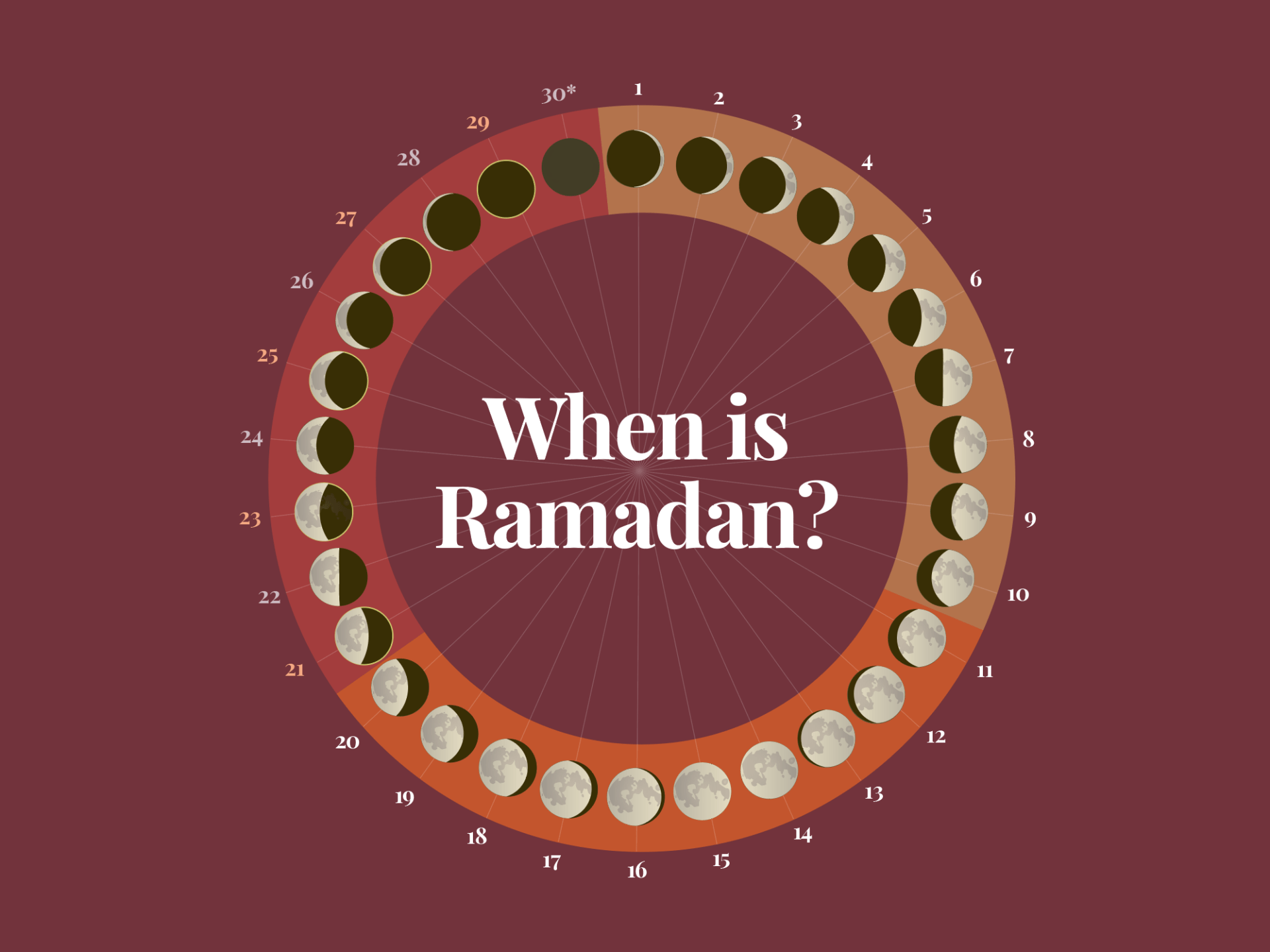
At the heart of why Ramadan's timing changes annually lies the Islamic calendar, known as the Hijri calendar. Unlike the Gregorian calendar, which is based on the Earth's orbit around the sun (a solar calendar), the Hijri calendar is a lunar calendar, based on the cycles of the moon. Each month in the Islamic calendar begins with the sighting of the new crescent moon, a practice deeply rooted in Islamic tradition. This means that each month can last either twenty-nine or thirty days, depending on lunar visibility.
Crucially, a lunar year is approximately eleven days shorter than a solar year. This fundamental difference causes the Islamic months to gradually shift backward through the Gregorian calendar year. What might be Ramadan in summer one year will eventually cycle back through spring, winter, and autumn over roughly a 33-year period. This constant progression ensures that Muslims worldwide experience Ramadan in every season, encountering diverse challenges and blessings, from the scorching heat and long days of summer to the chilly, darker, and notably shorter days of winter.
For Ramadan UK in 2026, this lunar shift brings the holy month squarely into late winter. This particular alignment is why Muslims in the UK, and indeed in many parts of the Northern Hemisphere, can anticipate a significantly different fasting experience compared to the long, arduous fasts of the summer months they've grown accustomed to in recent times.
Why Winter Equals Shorter Fasting Hours in the UK
The core reason for shorter fasting hours during Ramadan UK 2026 is simple meteorology: the winter solstice. In winter, days are shorter because the sun rises later and sets earlier. For Muslims observing Ramadan, fasting begins at dawn (Fajr prayer time, typically just before sunrise) and concludes at sunset (Maghrib prayer time, marking Iftar). The duration between these two points defines the length of the daily fast.
Consider the contrast: during a summer Ramadan in the UK, sunrise can be as early as 4 AM, and sunset as late as 9:30 PM or even 10 PM in northern regions. This can lead to fasting periods exceeding 18-20 hours. In late winter, however, sunrise might occur around 7:00 AM or later, with sunset around 4:30 PM or 5:00 PM. This naturally compresses the fasting window, often reducing it to approximately 9-10 hours, depending on the exact dates and specific location within the UK.
This dramatic reduction in fasting duration has profound implications. While the spiritual commitment remains unwavering, the physical demands are considerably lessened. Shorter fasting hours mean less time without food and water, potentially making the fast more manageable for individuals of all ages and health conditions. It also means more energy for spiritual devotions, work, and daily responsibilities.
Accurate Ramadan UK 2026: Your Essential Guide to Sehri & Iftar Timings is therefore paramount. Local calendars, provided by mosques and Islamic organisations across the UK, meticulously calculate Sehri (pre-dawn meal) and Iftar (breaking fast) times based on regional sunrise and sunset, ensuring precision for every fasting individual.
Embracing the Winter Fast: Opportunities and Practical Tips
The arrival of Ramadan UK in winter offers a unique opportunity for spiritual growth and reflection, unburdened by the extreme physical rigors of long summer fasts. Here’s how to make the most of it:
1. Maximize Spiritual Practices
- Increased Energy for Worship: With shorter fasts, you'll likely feel less fatigued, allowing for more focused Mastering Ramadan 2026 in the UK: Planning Your Spiritual Journey. Dedicate this energy to additional prayers (Nafl prayers), extensive Quran recitation, and deeper contemplation.
- Vibrant Taraweeh: The nightly congregational prayers of Taraweeh (after Isha) will feel more accessible. Participate actively, understanding that your physical stamina is likely higher than during longer fasts.
- Leverage Shorter Nights for Qiyam al-Layl: Even though nights are longer in winter, the window for sleep is still considerable, leaving ample time for the blessed pre-dawn prayers (Qiyam al-Layl). Waking up for Sehri naturally aligns with this auspicious time.
2. Smart Sehri and Iftar Planning
- Hydration is Key: Even with shorter fasts, maintaining good hydration between Iftar and Sehri is crucial. Drink plenty of water, herbal teas, and consume water-rich fruits and vegetables.
- Balanced Nutrition: Focus on nutrient-dense meals. For Sehri, complex carbohydrates (oats, wholemeal bread), lean proteins (eggs, chicken, lentils), and healthy fats will provide sustained energy. For Iftar, break your fast gently with dates and water, then opt for balanced meals rich in vegetables, proteins, and moderate carbohydrates.
- Avoid Overeating: The temptation to overindulge at Iftar can be strong, especially after a day of fasting. Eat mindfully to avoid discomfort and lethargy.
- Utilise Prepared Meals: In the colder winter months, having comforting, pre-prepared meals or easy-to-cook options can be a blessing, saving time and effort after a day of fasting.
3. Time Management and Well-being
- Rest and Recuperation: Shorter fasts mean more energy, but adequate sleep is still vital. Plan your daily schedule to allow for sufficient rest, especially if you're attending Taraweeh prayers late into the evening.
- Community Spirit: The UK's diverse Muslim community thrives during Ramadan. Engage in community Iftars at your local mosque or with friends and family. Sharing meals and worship strengthens bonds and enriches the experience.
- Stay Warm: Winter weather in the UK can be unpredictable. Ensure you dress warmly, especially when going to and from the mosque for prayers.
Community and Connection during Ramadan 2026 in the UK
The beauty of Ramadan UK extends beyond individual worship; it blossoms in the collective spirit of the community. In 2026, the unique winter timing might even foster a deeper sense of togetherness. Colder evenings and shorter fasts can encourage more communal activities, from shared Iftar meals to attending lectures and Quran study circles at local mosques.
Mosques across the UK will become vibrant hubs, offering daily congregational prayers, insightful talks, and often, community Iftars that provide warmth, sustenance, and spiritual nourishment. This communal aspect is invaluable, offering support, encouragement, and a powerful sense of belonging, especially for those who may be fasting alone or away from family. Embracing these opportunities to connect with fellow Muslims can significantly enhance one's Ramadan experience.
Conclusion
Ramadan UK 2026 promises a unique and spiritually enriching experience with its arrival in late winter. The shorter fasting hours, a direct result of the Islamic lunar calendar's alignment with the Gregorian year, offer a distinct advantage, potentially making the physical aspects of fasting more manageable and allowing for greater focus on spiritual devotion. By understanding the science behind the lunar calendar, meticulously planning Sehri and Iftar, and actively engaging with the vibrant Muslim community in the UK, believers can fully embrace the blessings of this holy month. May this Ramadan be a period of profound growth, reflection, and connection for all.